
The Top 5 Truths about therapy in Los Angeles CA
Five Truths About Therapy in Los Angeles CA
The Truths About Therapy That Most Asian Women in Los Angeles Never Hear
In my last post, I talked about the most common myths I hear about therapy, including the idea that it takes forever, that it is only for people who are truly struggling, and that a therapist will judge you for what you bring into the room. If you missed it, you can read it here: Top 5 Myths About Therapy in Los Angeles and the Truth Behind Them. And if you want to learn more about finding the right therapist, you can read The Complete Guide to Finding the Right Therapist in Torrance here.
Today I want to share what I wish every Asian woman in Los Angeles knew before she walked into her first session, not the myths that keep people away, but the truths that I see quietly and steadily change things for the women I work with.
These are the things that surprised my clients and made them say, much later, that they were so glad they had known them going in.
Truth #1: You Don't Have to Find the Right Words
One of the most common things I hear before a first session is that someone does not even know how to explain what is wrong, where to start, or what might happen if she says it in the wrong way.
You do not need to arrive with a prepared speech.
A lot of the women I work with grew up learning to communicate clearly or not at all, to not take up too much space, and to not burden anyone with something they had not yet figured out how to explain. So the idea of sitting with a stranger and talking about feelings can feel not just vulnerable but rude, as though you are wasting my time with something messy and unresolved.
But therapy, and particularly the somatic approach I use, is not built around perfectly articulated thoughts. It is built around noticing what is happening in your body, following what comes up, and going gently into whatever is there, which means you can come in not knowing where to start, because that is exactly where we begin.
Some of my most meaningful sessions have started with a client who said she did not know what to say that day.
Truth #2: The Relationship Between Us Is the Most Important Part
Research on therapy outcomes consistently shows that one thing above all else predicts results more reliably than any particular method or technique: the quality of the relationship between therapist and client.
This matters for Asian women for a specific reason.
Many of the women I work with come in wanting to be a good client, wanting to do it right, not wanting to disappoint me or push back on anything I say or take up too much space in the room, and this is a pattern I recognize immediately because it is often the same pattern that brought them to therapy in the first place.
What I have seen, again and again, is that what happens between us in the therapy room is connected to what happens outside of it. You are allowed to tell me when something I say does not resonate, and you are allowed to not like a question I ask. When a woman can do that, something shifts in how she moves through the rest of her life, too. That kind of honesty, the willingness to say that something is not working for you, is actually one of the most healing things that can happen between us.
The therapeutic relationship works best when it is honest, and you do not have to protect me.
Truth #3: Your Problems Are Serious Enough
I want to say this plainly, because I hear the opposite so often.
My problems are not that bad, and other people have it so much worse, so I should be able to handle this on my own if I just try a little harder.
If you recognize yourself in those words, I want you to sit with this for a moment, because the fact that you have been managing for this long without support is not a sign that you do not need it, but a sign of how hard you have been working.
Chronic exhaustion, anxiety that will not turn off, sleep that stays broken, and moments of sudden rage or tears that feel completely out of proportion to what triggered them are not small things, and they are your system telling you something, consistently, that deserves to be heard.
You do not need to be in crisis to come to therapy, and the women who get the most out of our work together are often the ones who look perfectly fine on the outside and who have been quietly carrying something heavy for a very long time.
Truth #4: Therapy Can Be Shorter Than You Think
Many women tell me they stayed away from therapy for years because they assumed it meant committing to something open-ended and indefinite, with years of weekly sessions and a process of going back through everything that has ever happened to them.
That is one version of therapy, and it is not the only one.
The somatic approach I use focuses on what your nervous system is doing right now, rather than necessarily revisiting your entire past, and many of my clients notice real shifts within the first several sessions, not because therapy is magic but because the body often knows what it has been waiting to release, and when given the right conditions, it begins to move.
Goal-focused work is possible, and short-term support around a specific life transition is possible, and you get to have a say in how long we work together and what we are working toward.
Truth #5: Getting Help Is Not Selfish, and It May Be the Most Important Thing You Can Do for Your Family
This one is especially for the Asian women who feel guilty for even thinking about spending time and money on themselves.
When a woman takes her anxiety symptoms seriously and does the work, I have seen her relationship with her mother grow softer, seen her snap less at her children, seen her stop lying awake at three in the morning rehearsing everything she did wrong, seen her start saying no without the wave of guilt that used to follow, and seen her pause at the sight of roses in someone's front yard and notice them in a way she had not been able to for a long time.
Healing changes the quality of every relationship you are in, and it is not a withdrawal from the people who need you but one of the most meaningful investments you can make in them.
Ready to Take the First Step?
If something in this post landed for you, if you recognized yourself even a little, I would be glad to talk. Please contact me for a free 15-minute consultation.
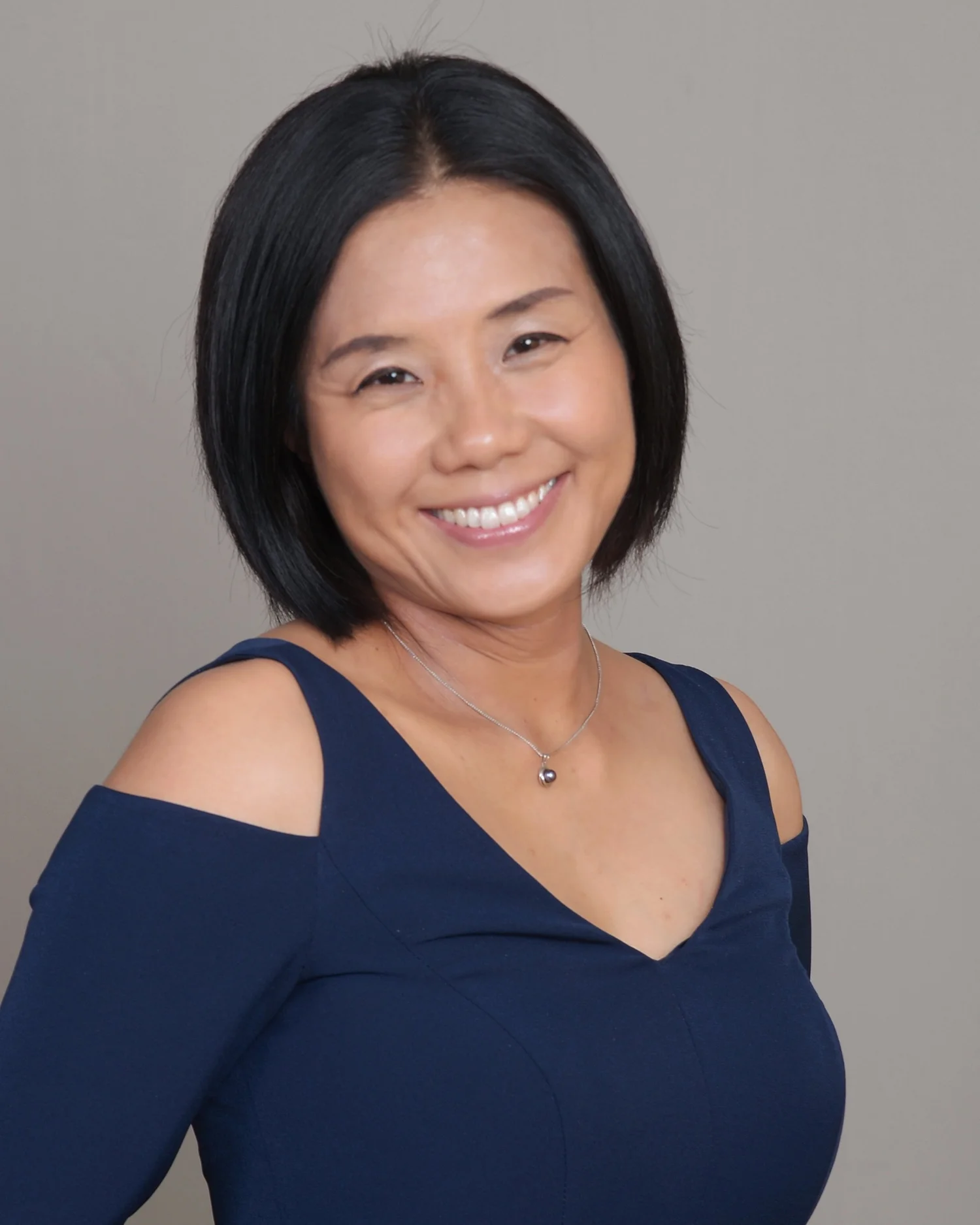
Miwa Emi, LCSW is a bilingual (English/Japanese) anxiety therapist in Los Angeles, CA, who uses a somatic approach. She offers online therapy to women throughout California, with a focus on Asian women navigating anxiety, stress, overwhelm, and life transitions. Her work helps women reconnect with their bodies when pressure, responsibilities, and guilt begin to manifest as exhaustion, tension, and an inability to stop.
Learn more about Miwa’s background, approach, and services here.
